


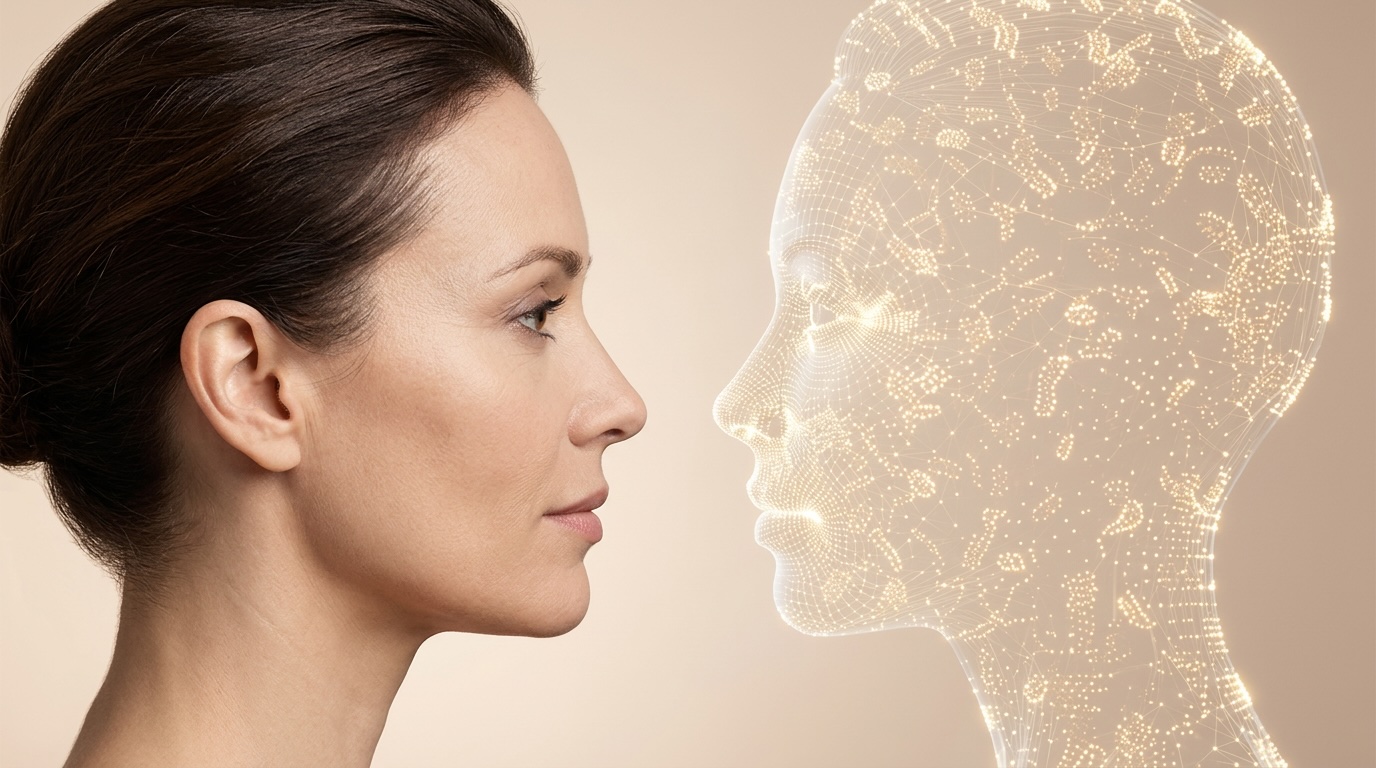
Turns out your skin is less a surface and more an ecosystem — a living community of bacteria, fungi and other microbes that helps decide how your skin behaves as the years go on. And the balance of that ecosystem may have more to say about your skin than the price tag on your moisturiser ever did.
Here's what the research actually shows, and three things worth knowing the next time you're standing in front of the bathroom mirror.
The microbes living on your skin help run its barrier, calm inflammation and keep it resilient — and as we age, that community shifts.
What's Actually Happening
Your skin hosts what scientists call the skin microbiome: a mix of bacteria, fungi and viruses living on the surface. Far from being passersby, they earn their keep. A comprehensive 2025 review in Annals of Dermatology describes this microbiome as a dynamic ecosystem that's essential for keeping skin healthy — defending against pathogens, calming inflammation, and propping up the barrier that keeps moisture in and irritants out.
Here's the part that matters for the 40+ conversation: as skin ages, this community shifts. The research points to reduced microbial diversity, a loss of the helpful metabolites these microbes produce, and more room for less-friendly species to move in. That imbalance — dermatologists call it dysbiosis — can feed a slow, low-grade inflammation nicknamed "inflammaging," which in turn nudges the skin barrier toward dryness and fragility.
So the microbiome isn't the whole story of how skin changes — collagen, elastin, sun and genetics are still very much in the cast. It's that the living layer on your skin turns out to be part of the plot, too.
Your skin is an ecosystem, not just a surface — and keeping that ecosystem steady may matter more than any single product in your cabinet.
Why This Matters for You
For years, the conversation around skin aging has centered on collagen, elastin, UV exposure, and genetics. This study adds another layer: the living organisms on your skin's surface appear to be part of the story too. It doesn't make the older factors less relevant — it just makes the picture more complete.
What's particularly compelling is that a single topical ingredient, retinyl propionate, improved not just visible skin metrics but also moved the microbiome in the direction of the delayed-aging profile. That kind of convergence — physiology and microbiome shifting together — is what makes this research worth tracking.
What You Can Actually Do
- Audit how often you're stripping your skin — Harsh, foaming cleansers and daily aggressive exfoliation are among the things shown to disrupt microbial balance. You're not trying to scrub your skin into submission — a gentler cleanse leaves the helpful microbes (and your barrier) intact. If your skin feels tight and squeaky after washing, that's usually a sign you've gone too hard.
- Get curious about pre-, pro- and postbiotic skincare — These ingredients are designed to support the skin's microbial environment, and early research links them to better hydration, less moisture loss through the barrier, and calmer skin. The field is young, so treat product claims with healthy scepticism — but it's a category worth watching and trialling on your own skin.
- Defend against the real disruptors — The same review flags pollution and UV radiation as drivers of the oxidative stress that tips the microbiome out of balance. Daily sunscreen and a decent antioxidant aren't just anti-wrinkle clichés — they're also protecting the ecosystem underneath. This is the highest-evidence move on the list.
Q&A with the Coach
What even is the skin microbiome and why does it matter now?
It's the community of bacteria, fungi and microbes living on your skin's surface, and research increasingly shows it helps run your barrier and shapes how skin ages. A 2025 review in Annals of Dermatology describes how this community loses balance with age — linking microbiome health and visible aging in a way that's finally getting serious attention.
Should I be worried if I've been using strong actives for years?
Chronic over-exfoliation and harsh cleansers can disrupt microbial balance over time, but the microbiome is also resilient and responds to changes in your routine. If you're not sure whether your regimen is supporting or stressing your skin, that's worth raising with a dermatologist.
Can I actually change my skin microbiome through what I put on my face?
Possibly — the strongest evidence so far is for oral probiotics, where one trial showed real gains in elasticity and hydration. Topical pre-, pro- and postbiotic skincare is promising but still being proven, so it's worth taking seriously without expecting miracles.
The takeaway isn't a new product to panic-buy. It's a slightly different lens: your skin is something you tend, not something you fight. Look after the ecosystem, and it tends to look after you.
This is skincare getting smarter. And so are you.
What do you think?
If this kind of research is what you're here for, our newsletter goes deeper on beauty science and longevity with the same level of rigor. Sign up and we'll keep you in the loop.
Created with AI assistance